
Couples Therapy

Trauma-informed couples therapy to rebuild trust, deepen connection, and change the patterns that keep you stuck

When a relationship begins to feel strained, distant, or caught in the same painful cycle, it can leave both people feeling misunderstood, guarded, and alone. You may still care deeply for one another, but find yourselves repeating the same arguments, shutting down, losing trust, or struggling to feel emotionally close.

At Elevare, we offer couples therapy for partners who want more than surface-level communication tools. Our work helps you understand the deeper patterns shaping your relationship, restore emotional safety, and rebuild connection with greater clarity, honesty, and care.

When couples therapy is a good fit

Couples therapy tends to be most helpful when both partners are still emotionally invested in the relationship and willing to look at what is happening with openness and effort. Even when trust has been strained, meaningful repair is possible when both people are committed to the process.

When relationships feel hard

When emotional or physical distance enters a relationship, it can be difficult to know what changed or how things became so painful. Over time, uncertainty can turn into disconnection, mistrust, resentment, and repeated miscommunication.

Not feeling seen, heard, or understood by the person closest to you can be deeply painful. Many couples come in feeling stuck between love and frustration, wanting things to change but not knowing how to shift what keeps happening between them.

Couples therapy creates space to slow the pattern down, understand what is happening underneath it, and begin relating to each other in a different way.

Couples therapy can help you and your partner:

  • rebuild trust after hurt, conflict, or disconnection
  • improve communication and reduce reactive cycles
  • deepen emotional intimacy and understanding
  • navigate conflict with more clarity and less escalation
  • better understand your own needs and your partner’s needs
  • create a steadier, more secure relationship

Are you and your partner struggling with:

  • expressing emotions clearly and effectively
  • resolving recurring arguments or conflict
  • intimacy or sexual concerns
  • feeling unappreciated or unseen
  • unmet needs and growing resentment
  • infidelity, betrayal, or trust issues
  • emotional distance and disconnection

If so, couples therapy can help you move from reactivity and misunderstanding toward greater safety, honesty, and connection.

Our approach to couples therapy

We take the time to understand each of you not just as partners, but as people with lived experiences, histories, coping patterns, and nervous systems that shape how you connect.

1)  We begin together

We meet with both of you to understand your relationship history, communication patterns, current concerns, and what each of you hopes will change. Together, we clarify goals for the work ahead.

2) We meet individually

Each partner also meets individually with the therapist to explore personal history, emotional patterns, and current experiences within the relationship. This helps us understand the fuller picture with more depth and care.

3) We work toward change together

As therapy progresses, we help you identify the patterns that keep the relationship stuck, build new ways of communicating, and strengthen emotional responsiveness, trust, and understanding. We check in regularly and adjust the work as needed.

Depending on the complexity of the history of trauma this can take 10-20 sessions, with more complex cases taking up to 2 years.

Therapy that goes deeper than communication tips

Communication matters, but most couples already know that. Often, the real issue is not a lack of information. It is that pain, protection, past hurt, and nervous system reactivity are driving the interaction.

Depending on your needs, our work may draw from:

  • Emotionally Focused Therapy (EFT)
  • The Gottman Method
  • The Couples Therapy Developmental Model
  • Safe and Sound Protocol to support nervous system regulation
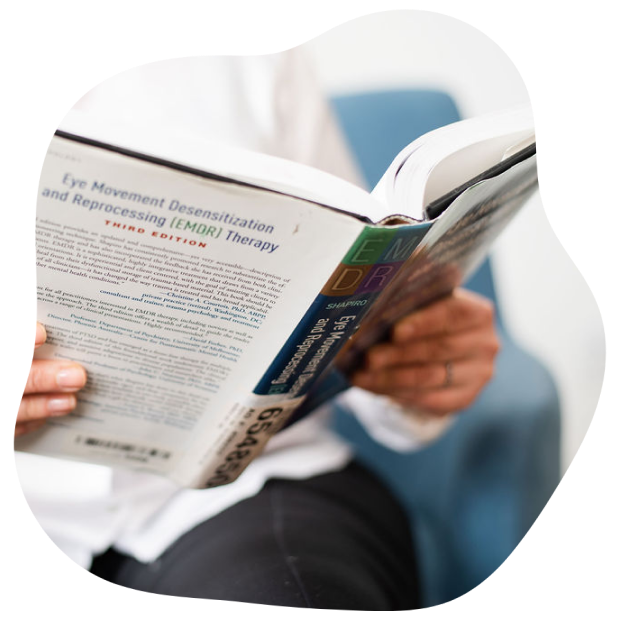
  • EMDR, DBR-informed approaches when personal trauma is affecting the relationship

This allows therapy to address both the relationship dynamic and the deeper experiences that may be shaping it.

What couples therapy can help you move toward

As you progress through therapy, you may find:

  • greater confidence in expressing yourself
  • more ability to hear and receive one another
  • clearer communication around needs, hurt, and repair
  • deeper emotional intimacy
  • improved trust and understanding
  • a more peaceful, secure, and fulfilling relationship

Our goal is not perfection. It is helping you create a relationship that feels more honest, more connected, and more resilient.
Therapists Specializing In
Couples Therapy
Get started

We offer couples therapy in Toronto and the GTA, with virtual sessions available across Ontario.

3,000+

Client’s Served

24

Years Experience

15,000+

Sessions Delivered

20+

Psychotherapists, Clinical Social Workers Specialized in Trauma Care

Frequently Asked Questions

How do we know if couples therapy the right option for us?

Couples therapy may be a good option if you and your partner are experiencing communication difficulties, conflicts, or other relationship issues that you are struggling to resolve on your own. If you are both open to exploring these issues and committed to working on your relationship, couples therapy may be helpful.

For couples therapy to be effective, a couple needs to feel like they are still emotionally connected/interested in their partner. If this is not present then couples therapy will not work. For instance, if one partner is no longer emotionally interested in their partner and has a foot out the door we suggest individual therapy.

We cannot say with certainty what the outcome of couples therapy will be for your relationship. However, couples therapy can help you work through the issues that have led to a breakdown of trust in your relationship while helping you develop strategies to rebuild trust over time.

During couples therapy, you and your partner can work together with a member of our team to explore the underlying causes of the hurt and mistrust. Over a number of sessions you can learn to communicate more effectively and develop new ways of relating to each other.
Using a variety of therapy modalities, we will also provide tools and techniques to help you rebuild trust, so you are able to set realistic expectations, practice forgiveness, and be transparent with each other.

Rebuilding trust can take time, and it requires a commitment from both partners to work through the issues that led to the initial breakdown. With our help and a willingness to put in the effort, we believe that it is possible to overcome hurt and mistrust and rebuild a strong, healthy relationship.

In couples therapy we provide a safe and supportive environment for you and your partner to explore and work through your relationship challenges. We use a variety of approaches, including Sue Johnson’s Emotionally Focused Therapy, The Gottman Approach and the Couples Therapy Developmental Model.

Some relationship issues stem from unresolved personal trauma. In those cases, we use technique called the Safe and Sound Protocol.
The Safe and Sound Protocol is an evidence based listening/music therapy that assists in resetting the nervous system to safety.

We often experience agitation, overwhelm in relationships and the first key is to create a more regulated nervous system. When this has occurred then we can begin to understand the patterns that get the relationship caught in. We may also use EMDR, DBR within the  couple session to move past some of the old patterns from earlier memories of pain, trauma.

The length of couples therapy can vary depending on a number of factors, including the specific issues you are working on, the severity of those issues, and the level of commitment and effort put in by both partners.

Some couples may begin to see positive changes in their relationship after just a few sessions, while others may require more ongoing support and therapy to see significant progress. On average, couples therapy can last anywhere from a few months to a year or more.

It is important to keep in mind that couples therapy is a process that takes time, effort, and commitment. It is not a quick fix or a one-size-fits-all solution, and progress may not always be linear. However, with patience, persistence, and a willingness to work through challenges, you can create lasting change and a strong connection in your relationship!

It can sometimes seem like things are getting worse before they get better. This is because the process of therapy involves bringing up difficult emotions and issues that may have been previously ignored or avoided. It can be uncomfortable and stressful for both partners, and can even lead to arguments and temporary setbacks in the relationship. However, if the couple is committed to the process and works with a skilled therapist, these difficulties are usually temporary and can ultimately lead to improved communication, a deeper understanding of each other’s needs and perspectives, and the development of new tools and strategies for managing conflict and maintaining a healthy relationship.

It is important for couples to approach therapy with an open mind, a willingness to work through difficult issues, and a commitment to making positive changes in their relationship.

Yes! Couples therapy typically refers to a type of therapy that focuses on improving the relationship between two people who are in a committed romantic relationship, regardless of whether they are married or not. We will work with the couple to help them identify and work through issues that may be causing conflict or disconnection in the relationship.

On the other hand, marriage counselling specifically refers to therapy that is designed for married couples. The focus is on helping the couple work through issues related to their marriage and their commitment to each other.
Both types of therapy aim to improve the relationship between two people, but couples therapy is a broader term that can apply to any committed romantic relationship, whereas marriage counselling specifically addresses issues that are unique to marriage.

The short answer is yes, but it’s important to understand that narcissistic personality disorder (NPD) is a complex mental health condition that can be difficult to treat. People with NPD tend to have a deeply ingrained sense of grandiosity and entitlement, and may struggle to empathize with others or take responsibility for their actions.

That being said, if a person with narcissistic tendencies is motivated to change and willing to participate in therapy, couples therapy can provide a supportive environment for them to work on their behaviour and communication patterns within the context of their relationship. In some cases, couples therapy can also help the non-narcissistic partner learn strategies for managing their own reactions and setting boundaries.

If you do decide to pursue therapy with a narcissistic partner, it’s important to find a therapist who has experience working with narcissistic personality disorder, and to have realistic expectations for what can be achieved in therapy.

Deciding to end a relationship after infidelity can be a difficult and painful process. There is no one “right” answer, as every situation is unique, but here are some signs that it might be time to consider ending the relationship:

  • Repeated infidelity
  • Lack of effort or interest in repairing the relationship
  • Emotional abuse
  • Irreconcilable differences

If this is a decision you are grappling with, it may be helpful to meet with your therapist for an individual session to help you make the choice that’s right for you.

Ultimately, the decision to end a relationship is a personal one and should be made based on what is best for both partners. Couples therapy can be helpful in navigating this difficult process, but sometimes it may be necessary to end the relationship in order to move on and find healing.

How To Get Started

Starting therapy can feel like a lot. We make the first step simpler.

Step 1 — Book a Free Consultation

Get your questions answered, tell us what you are looking for, and let us help place you with the right therapist or service.

Step 2 — Get Matched Thoughtfully

Based on your needs, goals, age, symptoms, and preferences, we help guide you toward the best-fit next step.

Step 3 — Begin Care at the Right Pace

We start by understanding your history and present concerns, then create a plan that supports meaningful change without overwhelming your system.

Request a Session

When you are ready to find the relief you need

Let us guide you toward healing.

Healing does not have to feel vague, endless, or out of reach. With the right support, it can become clearer, steadier, and more possible than you think.