
Therapeutic modalities for trauma therapy that goes deeper than talk alone
At Elevare, we use a range of therapeutic modalities to support trauma healing, nervous system regulation,
emotional resilience, and deeper self-understanding. While we are especially known for EMDR therapy, Deep Brain Reorienting, and neurofeedback, our work is integrative by design. That means we choose the modality based on you — your history, symptoms, goals, and what your system is ready for — rather than forcing you into a one-size-fits-all method.

Our primary trauma-focused modalities

EMDR Therapy
EMDR therapy helps people process distressing experiences that continue to feel emotionally charged in the present. Using bilateral stimulation, EMDR can support the brain in reprocessing traumatic memories so they feel less activating, less intrusive, and less defining. It is often used for trauma, anxiety, panic, grief, and other symptoms that remain stuck despite insight.

Deep Brain Reorienting (DBR)
DBR is a neurobiologically informed trauma therapy designed to access the very early orienting and shock responses that can occur before there are words for what happened. It can be especially helpful for attachment trauma, developmental trauma, and experiences that live in the body as overwhelm, collapse, vigilance, or emotional flooding.

Neurofeedback
Neurofeedback is a brain-based, non-invasive modality that uses real-time EEG feedback to support regulation, focus, emotional balance, and nervous system stability. At Elevare, neurofeedback may be used to support trauma symptoms, dissociation, chronic stress, attention difficulties, and a system that struggles to settle even when life looks “fine” on the outside.
Additional modalities we may integrate into care
Trauma therapy is rarely about one tool alone. Depending on your needs, your therapist may integrate one or more of the following approaches into your treatment.
Brainspotting
A focused, brain-body approach that helps access trauma and attachment material held beneath conscious thought. Brainspotting can support deeper processing while building internal capacity and regulation.
Clinical Hypnosis
Used gently and strategically, clinical hypnosis can support stabilization, internal safety, nervous system settling, and access to more resourced internal states. It is often integrated with other trauma-focused work rather than used in isolation.
Cognitive Behavioural Therapy (CBT)
CBT helps identify and shift thought patterns, beliefs, and behavioural loops that contribute to anxiety, depression, fear, and emotional distress. In our work, CBT can be useful as one part of treatment, especially when paired with deeper trauma-informed approaches.
Ego State Psychotherapy
Ego State work helps explore internal conflict — the parts of you that want different things, hold different fears, or developed different protective roles. This can be especially helpful when you feel split, stuck, or caught in patterns you intellectually understand but cannot seem to shift.
Emotion-Focused Therapy (EFT)
EFT helps people access, process, and organize emotions more clearly so they can move through distress instead of staying trapped in it. It can be especially supportive for depression, anxiety, trauma, and relationship difficulties.
Internal Family Systems (IFS)
IFS helps people understand and relate differently to the “parts” of themselves — the part that shuts down, the part that over-functions, the part that criticizes, the part that longs for connection. This work can support greater self-compassion, clarity, and internal coherence.
Mindfulness-Based Therapy
Mindfulness-based therapy can help reduce reactivity, build present-moment awareness, and increase tolerance for difficult thoughts, emotions, and body sensations. It may include grounding, breathwork, body scans, or mindful observation practices.
Safe & Sound Protocol (SSP)
SSP is a listening-based intervention designed to support nervous system regulation and a greater felt sense of safety. It may be especially useful for trauma, anxiety, sensory sensitivity, and dysregulation in children, teens, and adults.
Sensorimotor Psychotherapy
A trauma and attachment-based modality that integrates body awareness, emotional processing, and cognition. Sensorimotor work helps people notice and work with the physical responses that often accompany trauma, including tension, bracing, collapse, and disconnection.
Somatic Psychology
Somatic therapy works with the body’s role in holding stress, trauma, and emotional experience. Through grounding, movement, breath, and sensory awareness, it can help clients feel more regulated, embodied, and connected to themselves.
How we decide what approach fits best
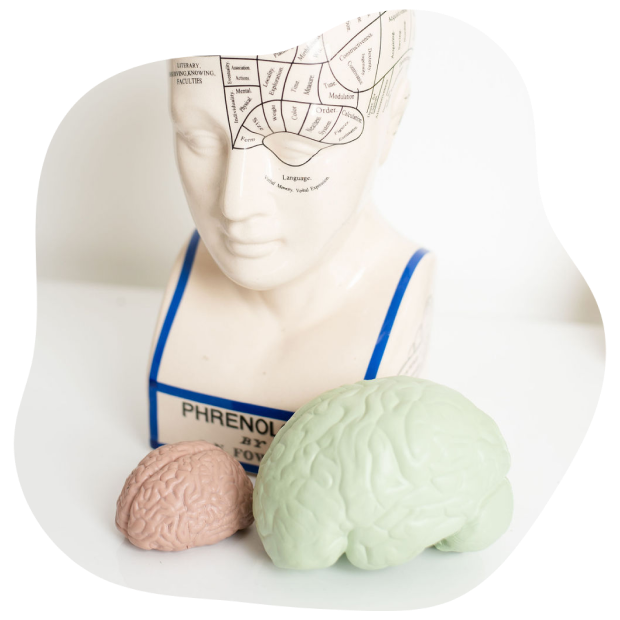
“Who these modalities can support?”
These approaches may support concerns such as:
Let us guide you toward healing.
Healing does not have to feel vague, endless, or out of reach. With the right support, it can become clearer, steadier, and more possible than you think.